





































Introducing a new puppy to your current dog is often an exciting process, and many dogs will become fast friends and eas...
Read MoreAdopt Me
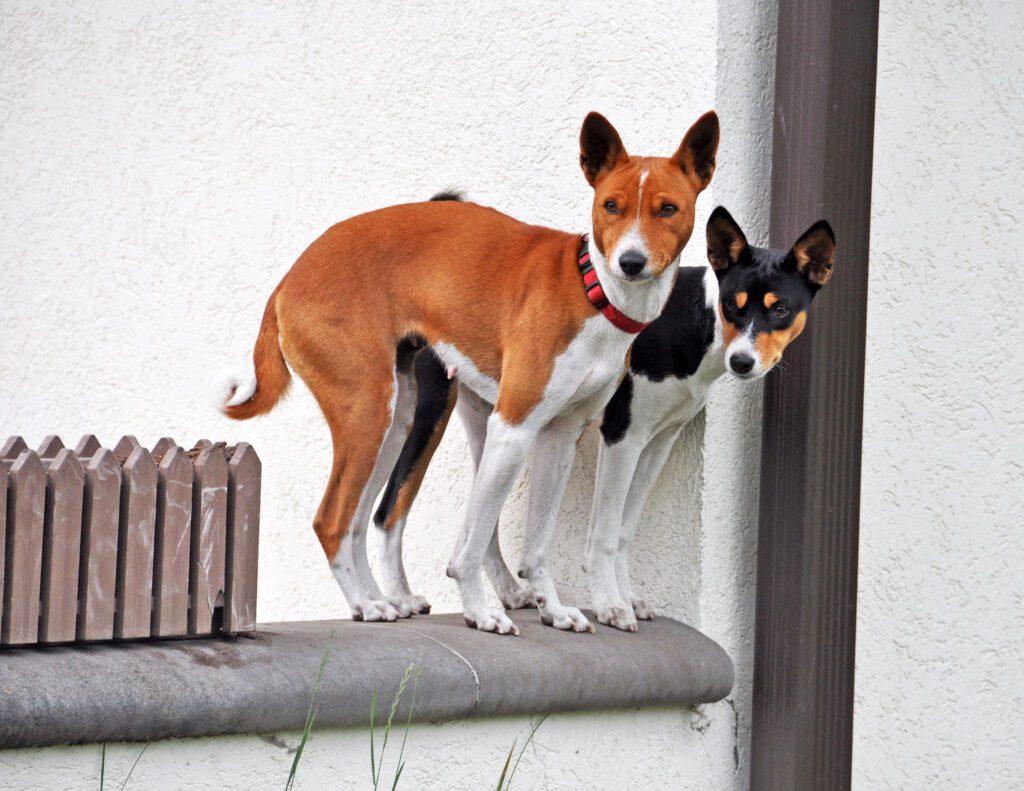
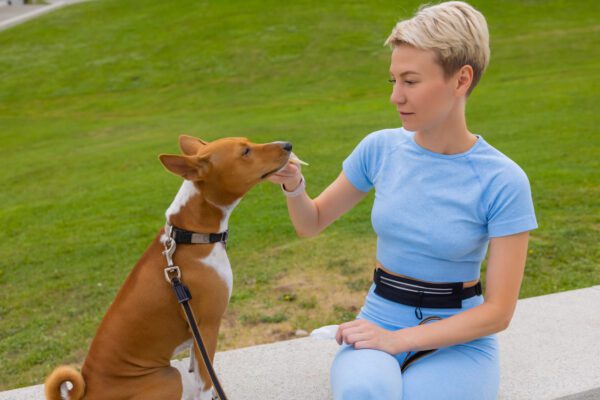
The Basenji is a compact, athletic hound with keen intelligence and a catlike sense of independence. Many people love this breed for its clean habits, minimal shedding, and quiet nature. Basenjis rarely bark, yet they communicate through expressive sounds and body language. Their alert minds and agile bodies make them engaging companions for active adopters who enjoy training games and long walks.
Thorough research always leads to better outcomes. Adopting a Basenji means understanding sighthound instincts, strong prey drive, and an independent streak that can challenge first-time owners. Adoption is preferable to buying because it opens a space for another dog in need, supports responsible rescue efforts, and often provides valuable history about the dog’s behavior and health. Many adult Basenjis in rescue already have basic manners and a known temperament, which helps families choose confidently.
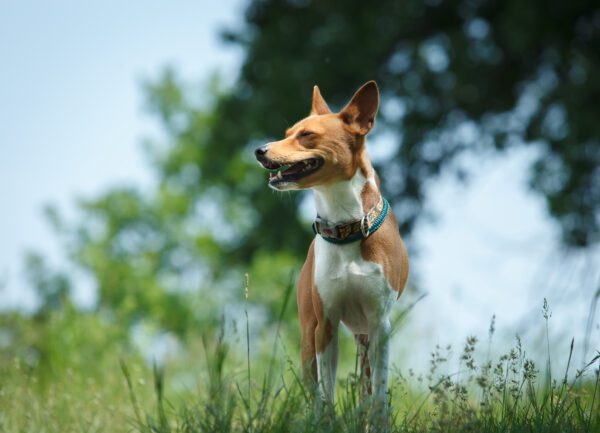
New York offers both opportunities and challenges for this breed. City living suits a Basenji when daily exercise, mental enrichment, and secure management are consistent. The state’s cold winters require warm coats and limited exposure since the Basenji’s short coat provides little insulation. Summers can be hot and humid, so shade and hydration are essential during outdoor time. Urban neighborhoods offer walkable routes and access to dog-friendly green spaces, while suburban or upstate homes can provide fenced yards that support safe play for a fast, curious hound.
You can skip the hassle of checking shelters and rescues one by one by using Dog Academy to browse current adoption listings in one place. Dog Academy also provides step-by-step educational guides and practical adoption checklists that help you prepare your home, evaluate fit, and plan for the first weeks after placement.
Start your search through local animal shelters, regional rescues, foster networks, and breed-specific rescue groups. Read each profile carefully and look for notes about energy level, prey drive, cat compatibility, and prior training. A Basenji that loves running may thrive with an active adopter, while a calmer adult might fit best in a quieter home.
The process usually begins with browsing listings and submitting an application that includes personal information, references, and proof of housing permissions when required. Many groups schedule a phone interview to discuss lifestyle, experience with sighthounds, and expectations. Meet-and-greets take place at a shelter, an adoption event, or a foster home. Home checks may be virtual or in person to confirm safety and secure containment. Approval timelines often range from a few days to a few weeks based on background checks, scheduling, and the dog’s readiness to move.
If the right Basenji is located outside your area, some rescues arrange transport between locations after approval. Transport is often organized through volunteer drivers or professional pet transport services that coordinate legs of the trip and confirm safe handoffs. Finalization typically occurs at pickup when you sign the contract and receive medical records.
|
How Much Does It Cost to Adopt a Basenji in New York?A realistic adoption fee for a Basenji in New York typically falls between $250 and $600. Puppies and high-demand young adults in the metro area often land on the higher end, while older dogs or bonded pairs may be priced with special incentives. Fees vary based on age, prior training, medical care completed before adoption, and current demand for the breed. Most fees cover essential care that protects your dog and reduces your initial costs. Typical inclusions are spaying or neutering, vaccinations, microchipping, and veterinary exams. Many groups also provide heartworm testing, parasite treatment, and a starter supply kit. Some rescues invest in behavioral assessments and transport coordination, which can influence the final fee. |
How Should I Train a Basenji?Basenjis learn quickly when training feels like a game. They respond best to positive reinforcement that uses food, toys, and praise to reward desired behavior. Keep sessions short and focused, practice in quiet spaces before adding distractions, and end on a success. This approach builds trust with an independent dog that values choice and clarity. Common challenges include recall in the presence of wildlife, leash pulling, and creative escape attempts. Build impulse control with simple exercises like hand targets, wait at thresholds, and calm check-ins on walks. Use a secure harness and a long line when practicing recall, and always supervise outdoor time. Provide daily enrichment through scent games, puzzle feeders, and structured play to prevent boredom and chewing. You can follow proven step-by-step plans with Dog Academy’s online training courses. These courses cover loose-leash walking, reliable recall, crate training, polite greetings, and practical life skills tailored to busy New York routines. Clear lessons and short drills help you stay consistent even on hectic days. |
|
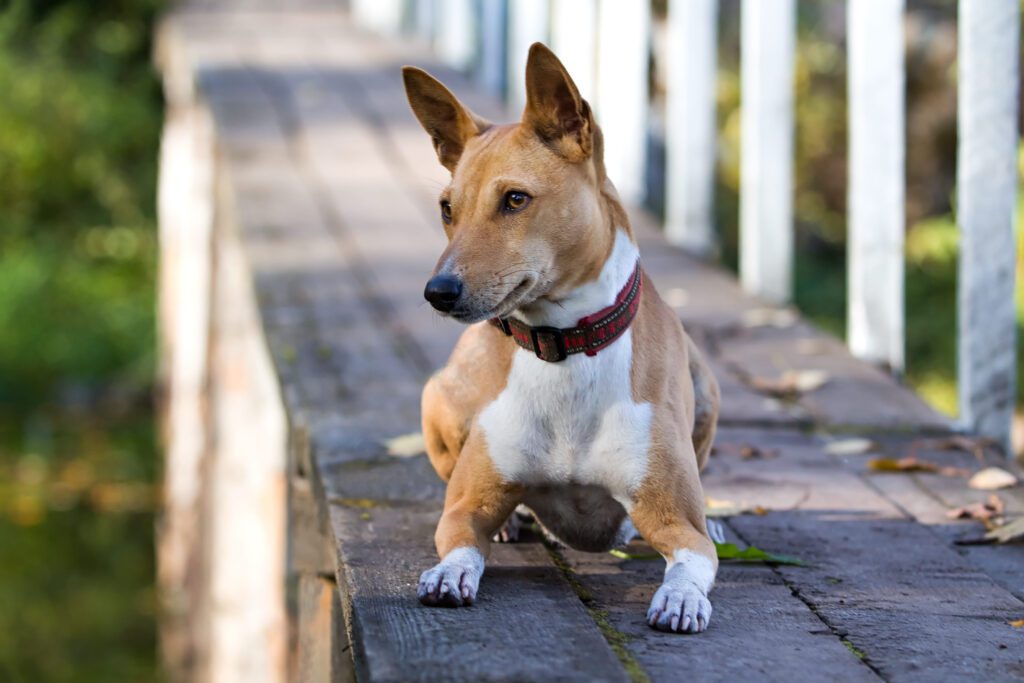
The ideal New York adopter enjoys daily activity, values routine, and appreciates a clever partner with a mind of its own. A secure home, a thoughtful management plan, and a commitment to enrichment set a Basenji up for success. Winter gear, careful leash handling, and attention to safe fencing are part of responsible Basenji ownership in this state.
Take time to prepare your space, gather supplies, and choose a veterinarian you trust. Create a schedule for walks, training, and rest before your dog arrives. Research carefully, move at a thoughtful pace, and start your search with Dog Academy to adopt a Basenji in New York with confidence.

Introducing a new puppy to your current dog is often an exciting process, and many dogs will become fast friends and eas...
Read More
Rescue dogs can make great companions and can transform your home into something better. These dogs make great pets and ...
Read More
You should never rush to pet a dog. Even dog owners make the mistake of approaching unfamiliar dogs and petting them rig...
Read More
Puppy mill dogs are survivors who have endured extreme hardships in their lives. They have grown up in horrendous, unsan...
Read More
With their wagging tails and comforting presence, adopting a dog can add a unique touch to your life. It’s a heart...
Read More
Older dogs may have a few gray hairs around the edges, but that doesn’t mean they can’t make wonderful companions! T...
Read More